NEW CENTER
HOME - New Center



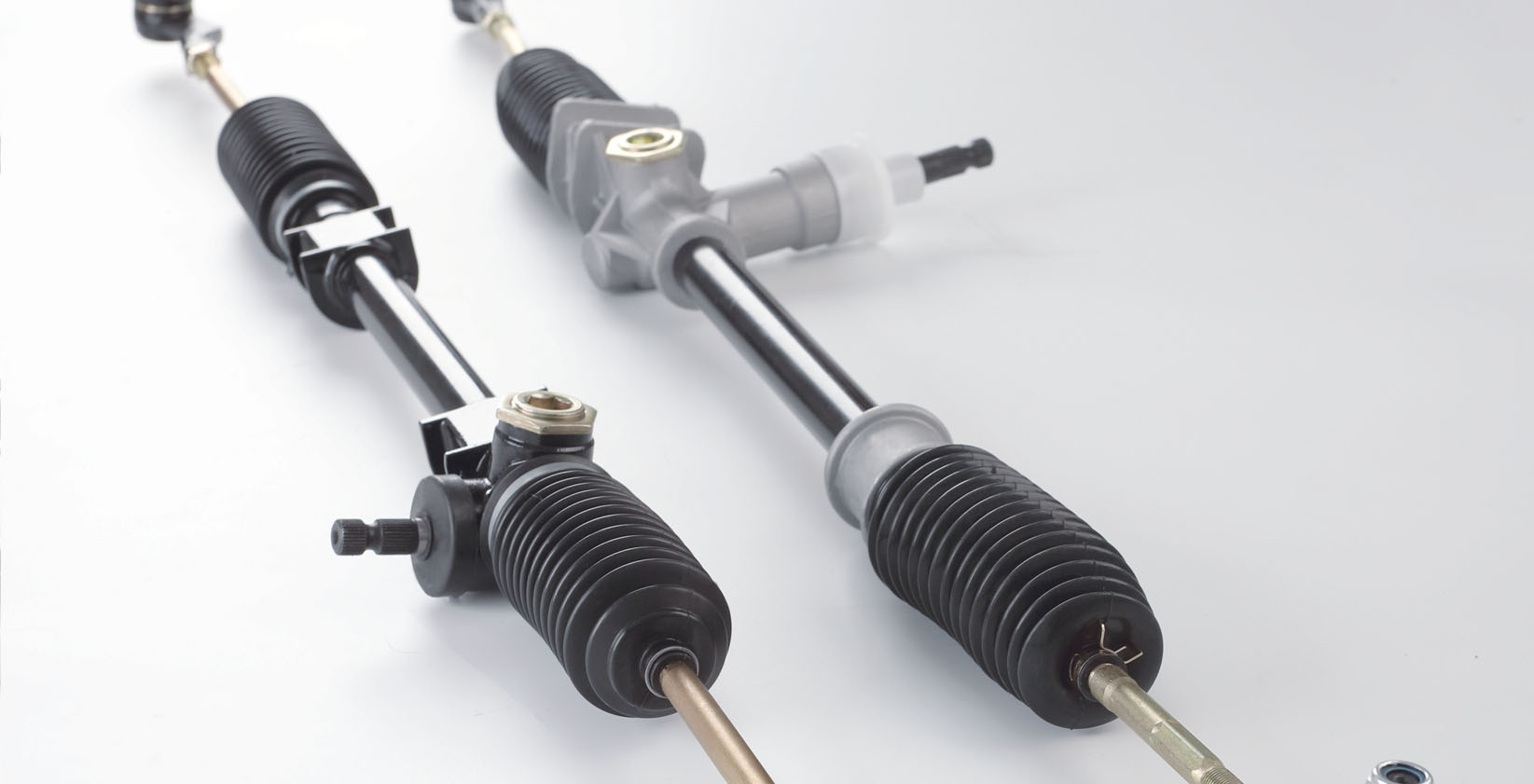
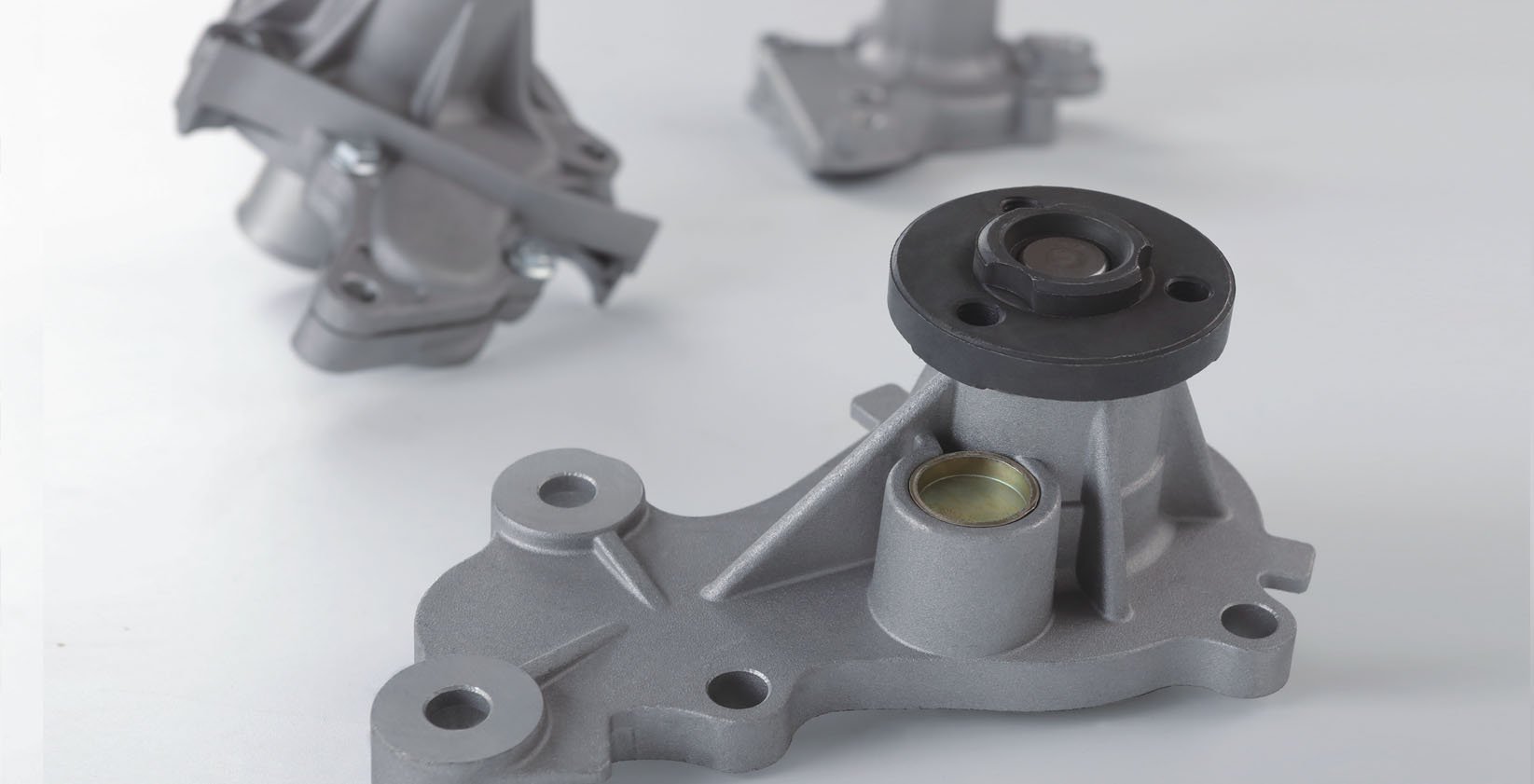
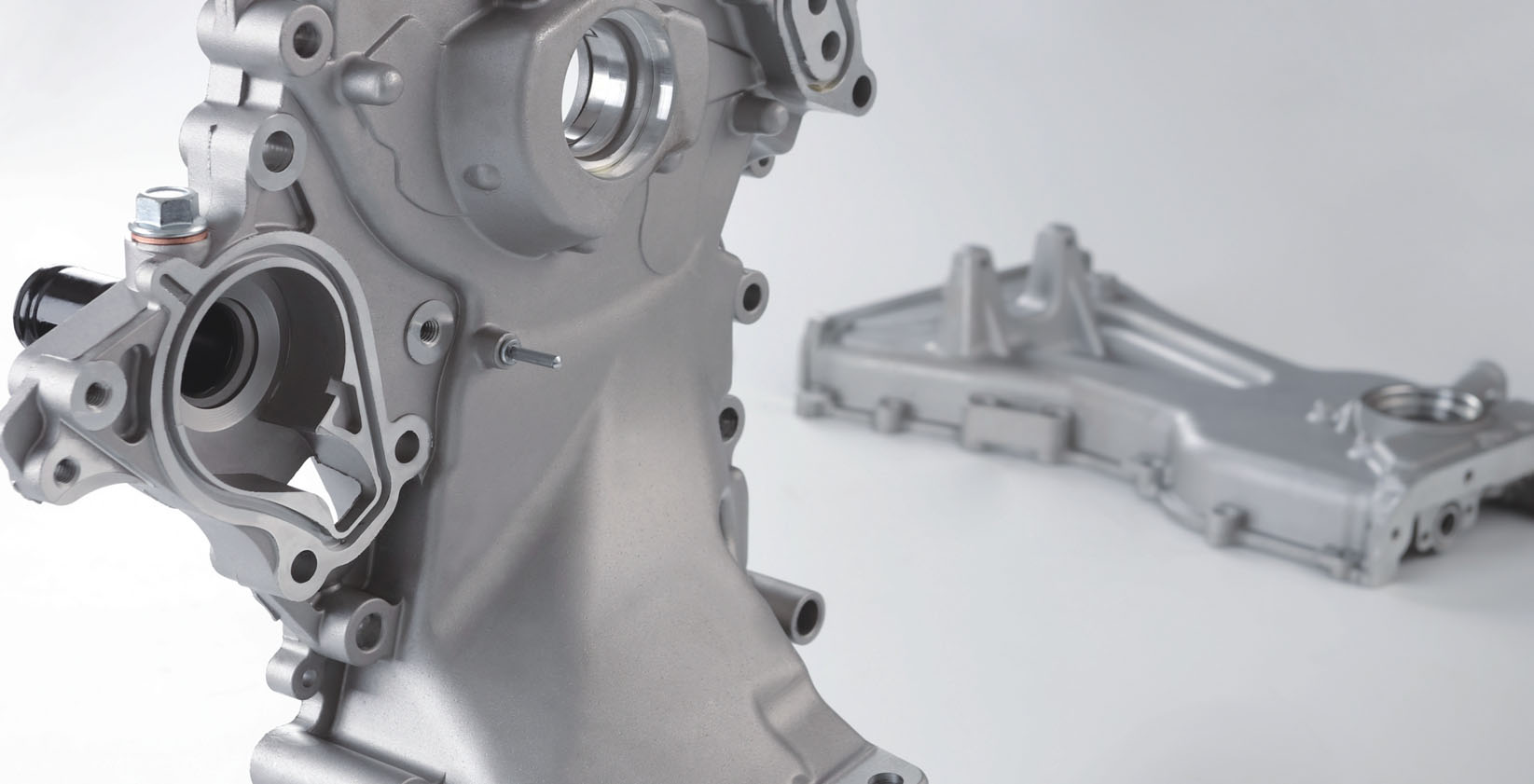
| 1. The Mechanical Heart of the Oil Pump The car fuel pump acts like the "heart pacemaker" of the engine, with its core being a motor-driven impeller assembly. When the key is turned on, the motor drives the impeller to rotate at high speed, creating negative pressure at the fuel inlet. The fuel is drawn into the pump chamber, then pressurized by centrifugal force and discharged through the outlet. Modern fuel pumps can establish a pressure of 2.5-4 bar within 3 seconds, equivalent to delivering 5-7 liters of fuel per minute, ensuring the engine receives a constant supply of "blood.". II. Evolution of Intelligent Control Pressure regulation: The built-in pressure relief valve acts as a "safety officer," automatically diverting excess oil pressure when it becomes too high Fuel cooling: Some fuel circulates to provide natural heat dissipation for the motor Electronic Control: The new oil pump can dynamically adjust its speed based on ECU commands, achieving 20% higher energy efficiency than traditional pumps III. The Secret to Extending Lifespan Maintain more than 1/4 of the fuel level: insufficient fuel can cause the pump to overheat Replace the filter regularly: Clogging forces the oil pump to work under overload Avoid using low-quality fuel: impurities can accelerate impeller wear Pay attention to abnormal noises: high-frequency buzzing sounds are often early signs of malfunction |
| BACK |


 QQ:21164273
 鎵嬫満锛�13868710828